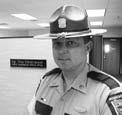
Sgt. Troy H. Christianson MN State Patrol PIO
Question: I hear there that DWI’s can become more of an issue around the winter holidays. Can you talk about that? Thank you for all you do.
Answer: Minnesota Law Enforcement is participating in a statewide campaign that includes extra DWI enforcement that started the day before Thanksgiving through New Year’s Eve. Over the past five years (2018-2022), more than 120,000 people have been arrested for DWI.
Each DWI risks the loss of a license for up to a year, thousands of dollars in fines and possible jail time. Repeat offenders, as well as firsttime offenders arrested at 0.16 and above blood alcohol-concentration, must use an ignition interlock device to regain their driving privileges.
Even with all those costs, it’s still better than what could happen in a crash. Getting behind the wheel while impaired, whether it’s by alcohol or other substances, is incredibly dangerous. From 2017-2021, 49 people died in drunk driving-related crashes between the day before Thanksgiving and New Year’s Eve in Minnesota.
Alcohol-related crashes not only take lives, they also change them forever. Those crashes leave people with chronic pain, medical bills and other problems that follow them for years.
There is some good news: These crashes are 100 percent preventable. The best way to save those lives is to have a sober driver. Either designate one from your group or plan for an alternative transportation option. If you see an impaired person about to get behind the wheel, speak up and get them a safe ride home.
Question: I read your recent article about winter travel safety. Can you talk more in depth about what a person should have in their vehicle?
Answer: Great topic to expand on. During the winter months, being prepared becomes even more important. Things happen: Crashes, stalled vehicles, being on the wrong side of a jackknifed semi or a whiteout blizzard that lasts for many hours. A phone can call for help, but from over 25 years as a Minnesota State Patrol trooper I can tell you if there are a lot of crashes and roads are bad, help might not reach you quickly. Be prepared and have a plan; doing both could save your life.
•Fuel – Keep your tank as full as possible. When you start nearing half of a tank, fill up. You might think you can easily fill up at the next exit. But what happens if you end up stopped in traffic, unable to turn around or exit the freeway due to a jackknifed semi? There you sit — in subzero temps and almost out of fuel.
•Clothing – Snow suits, snow pants, extra winter jackets, blankets, sleeping bags, hats, gloves and boots. Keep extra sets in the vehicle and make sure there is enough for all passengers. If your vehicle quits running and help cannot get to you for several hours in extreme cold temperatures, these clothes are essential. Stay in your vehicle. Walking in a storm can be very dangerous. Your vehicle is a good shelter until the storm passes.
•Winter driving survival kit – You can purchase one or make your own. Start with a plastic tote or container to put your stuff in. Items should include: o Small candles and matches (waterproof) oSmall, sharp knife and plastic spoons oRed bandanna or cloth oPencil and paper o Large plastic garbage bag/ emergency blanket oSafety pins oWhistle oSnacks/food that you can eat hot or cold oCell phone adapter to plug into lighter oFlashlight and spare batteries oFirst Aid kit o30-foot cord/rope to use as homing line when you must exit the vehicle oBooster cables oBasic tools oSand, cat litter or other grit in a plastic carton oShovel oTow cables, tow rope or chain oRoad flares and reflectors oWarm clothes including boots, hats and gloves Also, don’t forget to buckle up. It’s the best defense against impaired drivers.