By Crystal Reith What began as a community effort to replace a struggling Home Hospital has grown into a modern medical center serving Murray County and surrounding communities for 75 years.
“For 75 years, the Murray County Medical Center (MCMC) has been honored to serve our communities providing compassionate, high-quality care close to home,” said Luke Schryvers, MCMC Chief Executive Officer since December 2020. “The milestone reflects the dedication of generations of caregivers, the trust of our patients and the support of our communities As the medical center prepares to mark the milestone with a community celebration in June, Briana Solheim, MCMC’s marketing director, has been enjoying the opportunity to reflect on the hospital’s evolution and the people who shaped it.
“We’ve been able to see how the building and services have changed while also revisiting photos of staff who have helped shape our story,” Solheim said.
Originally known as Murray County Memorial Hospital, MCMC opened its doors to its first patient on February 1, 1951, and has remained at its current location on Juniper Avenue since it opened.
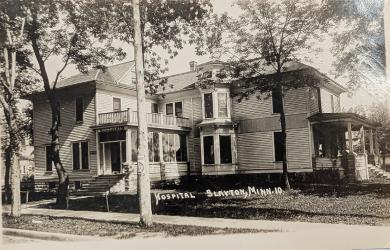
Before the hospital was built, the community relied on the Home Hospital on King Avenue and a clinic located where the Masonic Lodge is now. During the 1930s, the Home Hospital struggled to survive amid the Great Depression and relied heavily on donations. In 1944, county commissioners formed a special committee to explore building a new hospital.
Plans were drafted and approved by the county in 1945, but construction was delayed until 1949 because of material shortages, rising costs, a polio epidemic and difficulty securing grant funding. When the hospital opened in 1951, it had 48 beds and services focused primarily on patient care, surgery and labor and delivery.
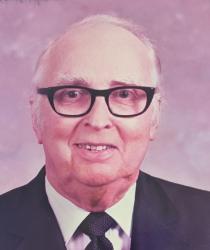
At the time, two primary physicians practiced at the hospital. Dr. R.F. Pierson served from 1940 to 1983 and Dr. Dean D. Nywall worked from 1951 to 1980. John W. Joy was named the hospital administrator in November 30, 1951 and resigned February 1, 1954.
Over the decades, the hospital has undergone several major expansions and renovations. In March 1978, a $1.15 million project added 35 beds, a pharmacy and a clinic leased to four physicians. A CT scanner project broke ground in December 2006. The most recent large expansion and renovation was completed in 2013. It added more than 34,000 square feet which brought the facility to about 70,000 square feet. That $12.2 million project included the clinic, ambulance bay, radiology, front entrance, kitchen, lobby, patient rooms, business office, emergency room and administrative offices.
Hospital amenities and services have also evolved over time. The hospital purchased its first ambulance in 1969. Respiratory therapy was added in 1973 and in 1974 a portable X-ray was added to the hospital. In 1979, the pharmacy and clinic were added. Swing bed care was available starting in November 1984. The last baby was delivered in June 1993. The Steve Cohrs Wellness Center opened in 2004.
Today, MCMC has more than 130 full-time, part-time and casual staff members and has 10 providers on staff, which includes two physicians, four nurse practitioners and four physician assistants. The facility is currently licensed for 25 beds.
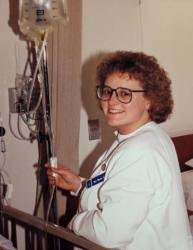
Among those employees is Mary Mesner, a registered nurse who has worked at MCMC for 46 years. A Slayton native, Mesner began as a nurse aide while in college. She earned her bachelor’s degree in nursing from South Dakota State University and returned to the area as a registered nurse. Throughout her career, she has served as a medical surgical nurse, charge nurse, emergency room nurse and currently works in cardiac rehabilitation.
“The most rewarding part of this job is the wonderful people I have gotten to work with,” Mesner said. “After a while they are like your second family. Caring for people and working with patients to improve their health is very rewarding.”
As a modern health care facility, MCMC offers a wide range of services, including advanced care planning, ambulance and emergency services, ChartSpan, chemotherapy and infusion therapy, diabetes education, laboratory services, rehabilitation and therapy, imaging and radiology, pharmacy, phase II cardiac rehab, pulmonary rehab, family medicine, skilled swing bed, respiratory therapy, wound care, pain management, sleep machine and general surgery. Outreach services include behavior health, cardiology, general surgery, nephrology, obstetrics and gynecology, ophthalmology, orthopedic, pulmonary, urology and vascular.
Among its many services, Schryvers emphasizes the hospital’s vital role in the community.
“There are many benefits to having a hospital in our community. MCMC helps support the health and safety of communities we serve,” said Schryvers. “The hospital provides immediate access to emergency care that provides access to lifesaving care without long travel times, better health outcomes through preventive services, chronic disease management, and access to care provided by local healthcare providers. It also offers continuity of care and availability of specialty services, economic stability and attracts families, retirees and businesses to our communities.”
Looking forward, MCMC remains focused on its core goals of quality, people, growth and financial stability while hospital leaders continue to navigate trials such as regulatory complexity, rising costs, reimbursement challenges, workforce shortages and rapid technological change.
While she has witnessed major advancements during her career, Mesner added that attracting young nurses back to rural communities remains one of the biggest challenges facing rural health care today. She encourages anyone interested in the health care field to shadow different departments so one can understand the daily routine of the job.
“All these challenges will require MCMC to continue to evolve and remain focused on our commitment to provide compassionate and exceptional healthcare to our communities,” said Schryvers. “As we celebrate our past, we remain committed to strengthening health care for today and for generations to come.”